Commemorating the 150th Anniversary of Birth
Sergei
Rachmaninoff
The Trajectory of Tears
A Piano Recital · Works in Chronological Order
Scroll
Commemorating the 150th Anniversary of Birth
The Trajectory of Tears
A Piano Recital · Works in Chronological Order
Listen Again
The full performance, captured live
Recorded live at the recital
Moments
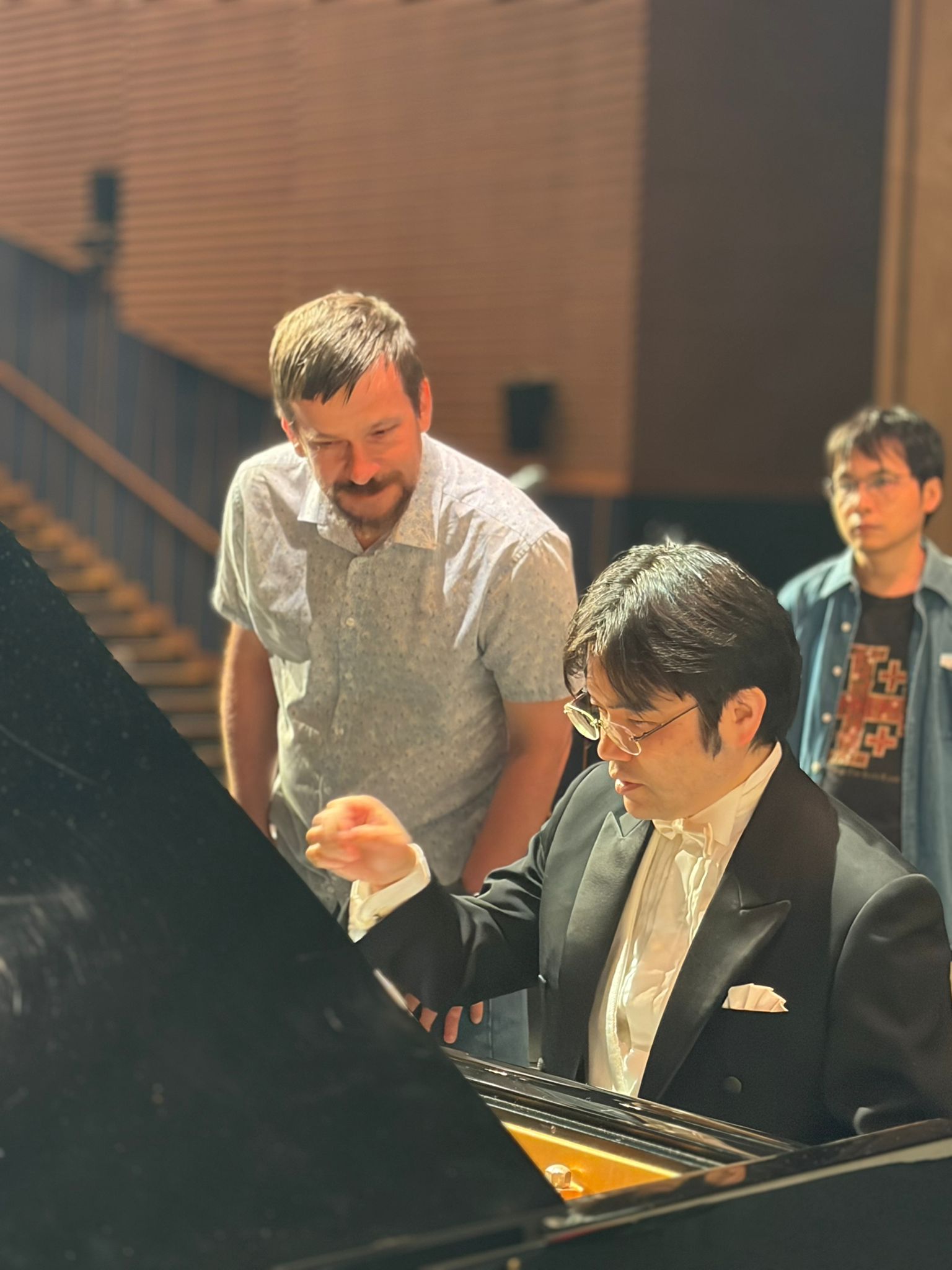
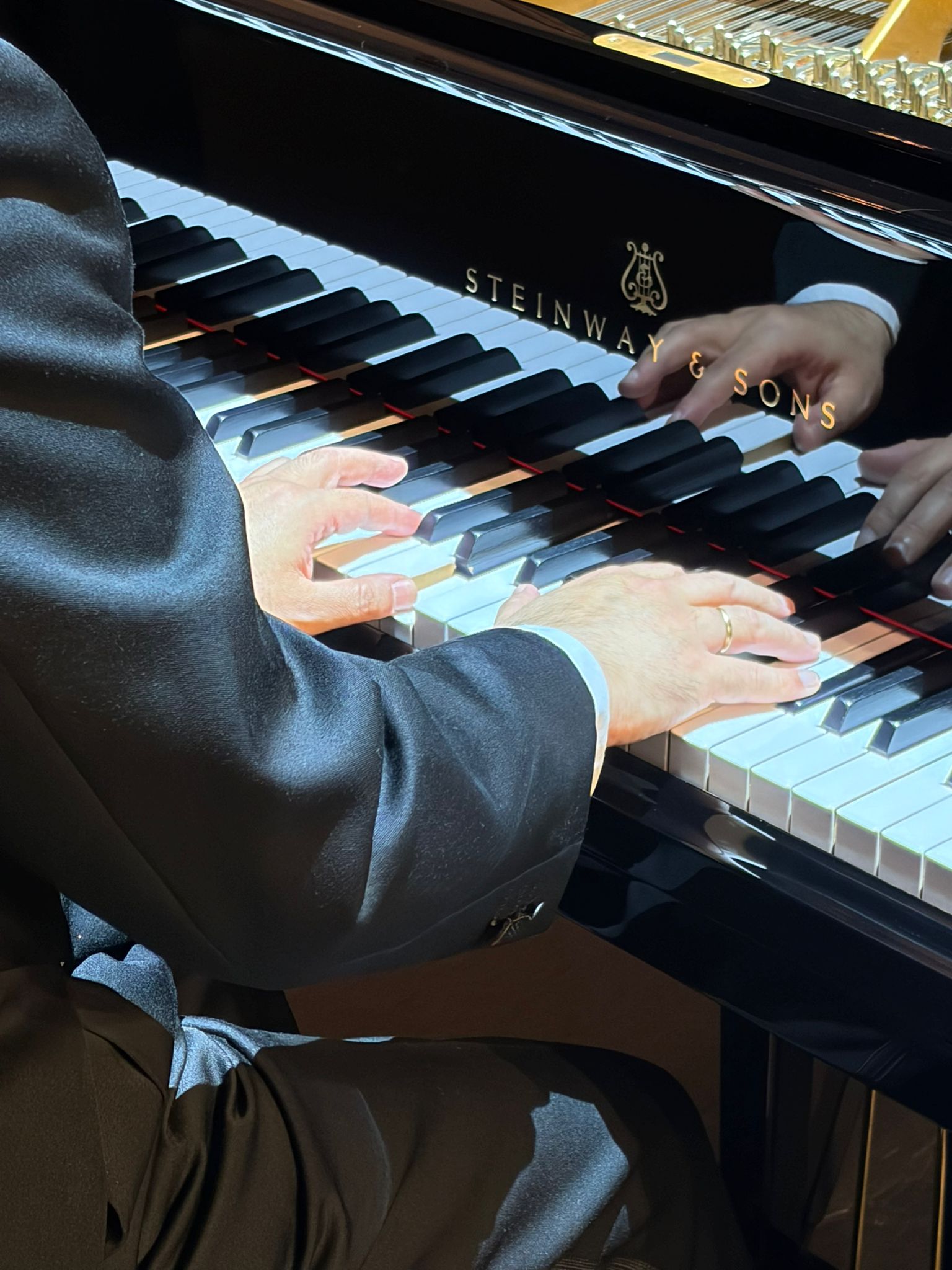
Scenes from the recital
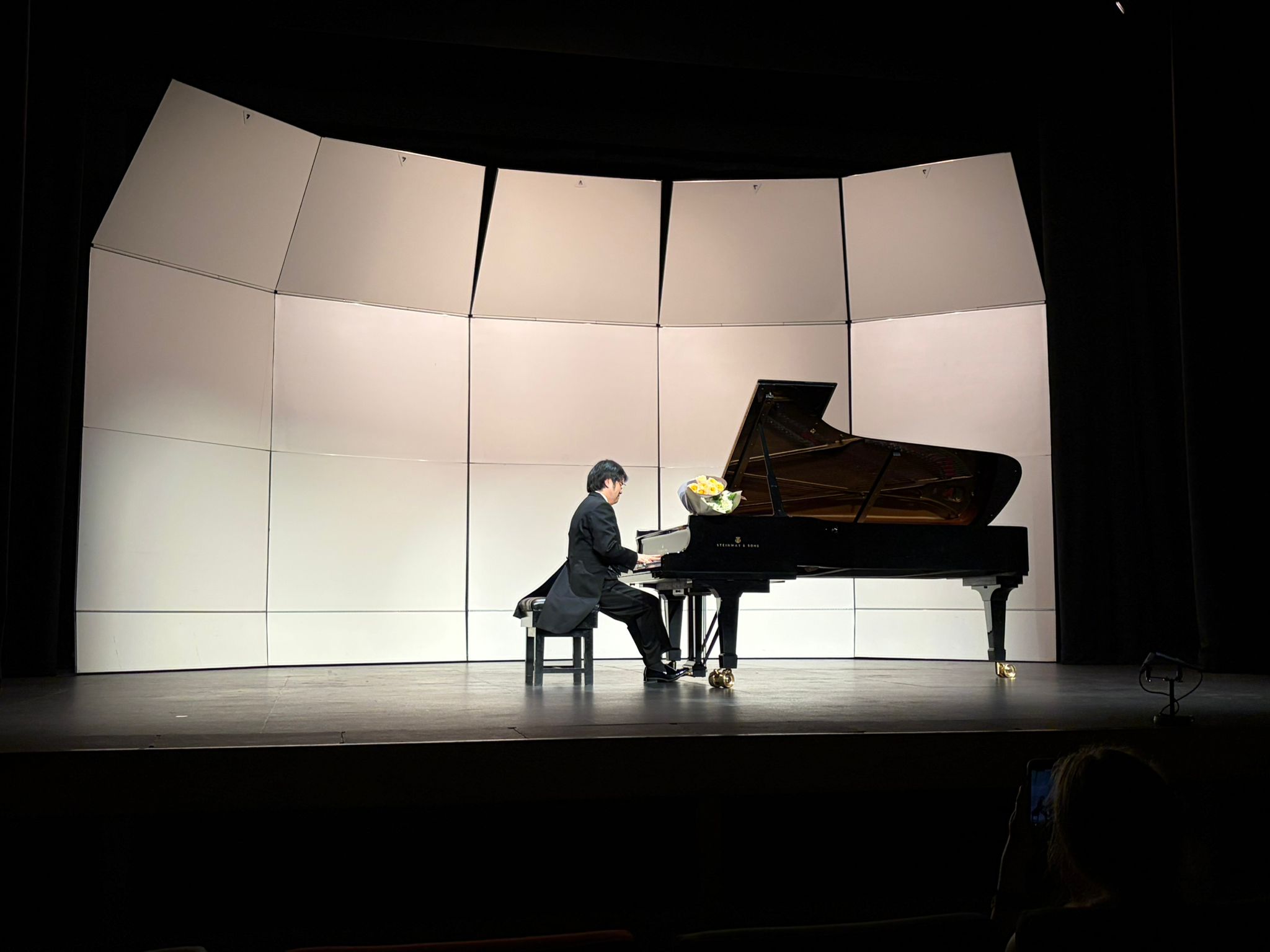
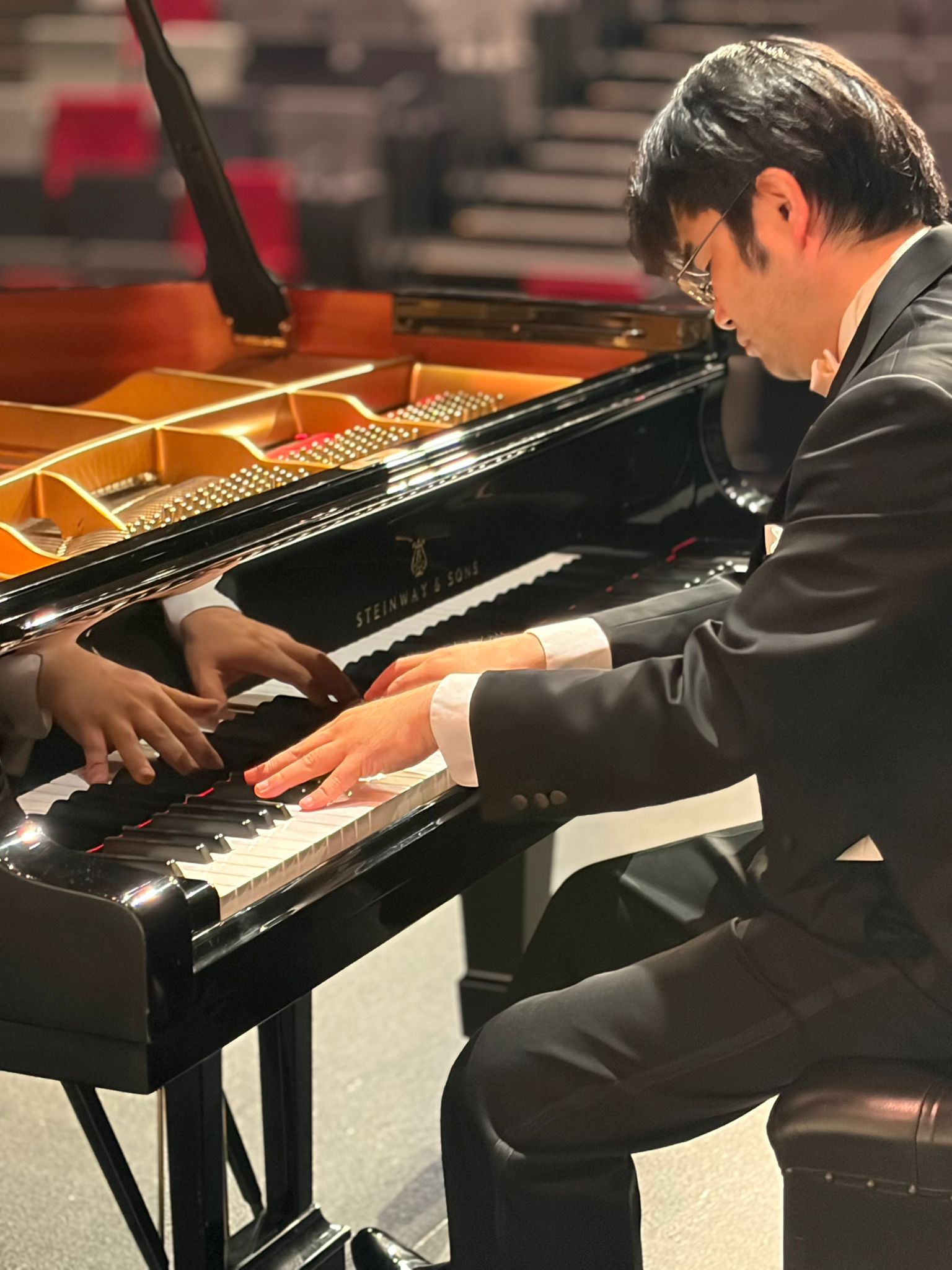
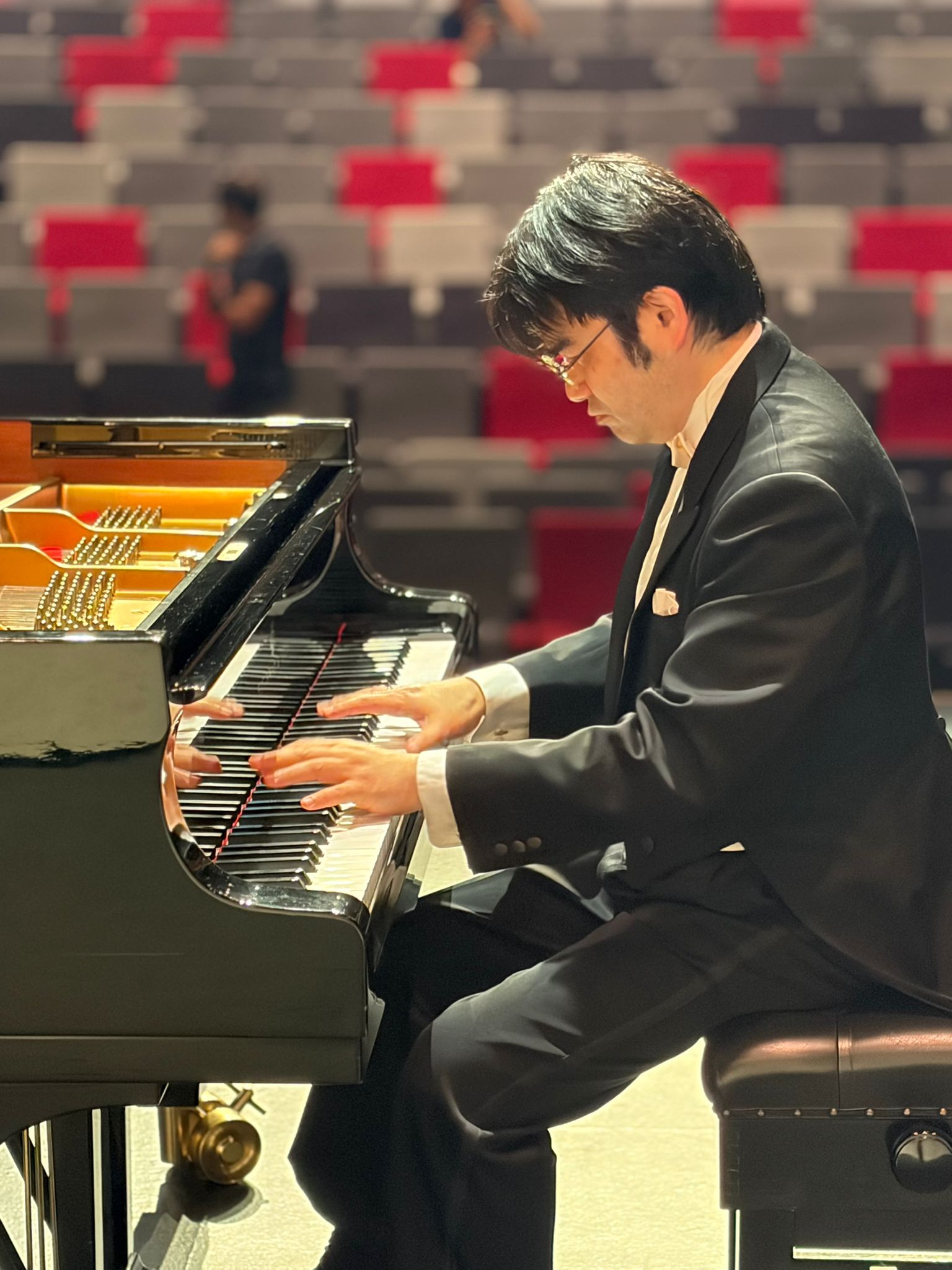
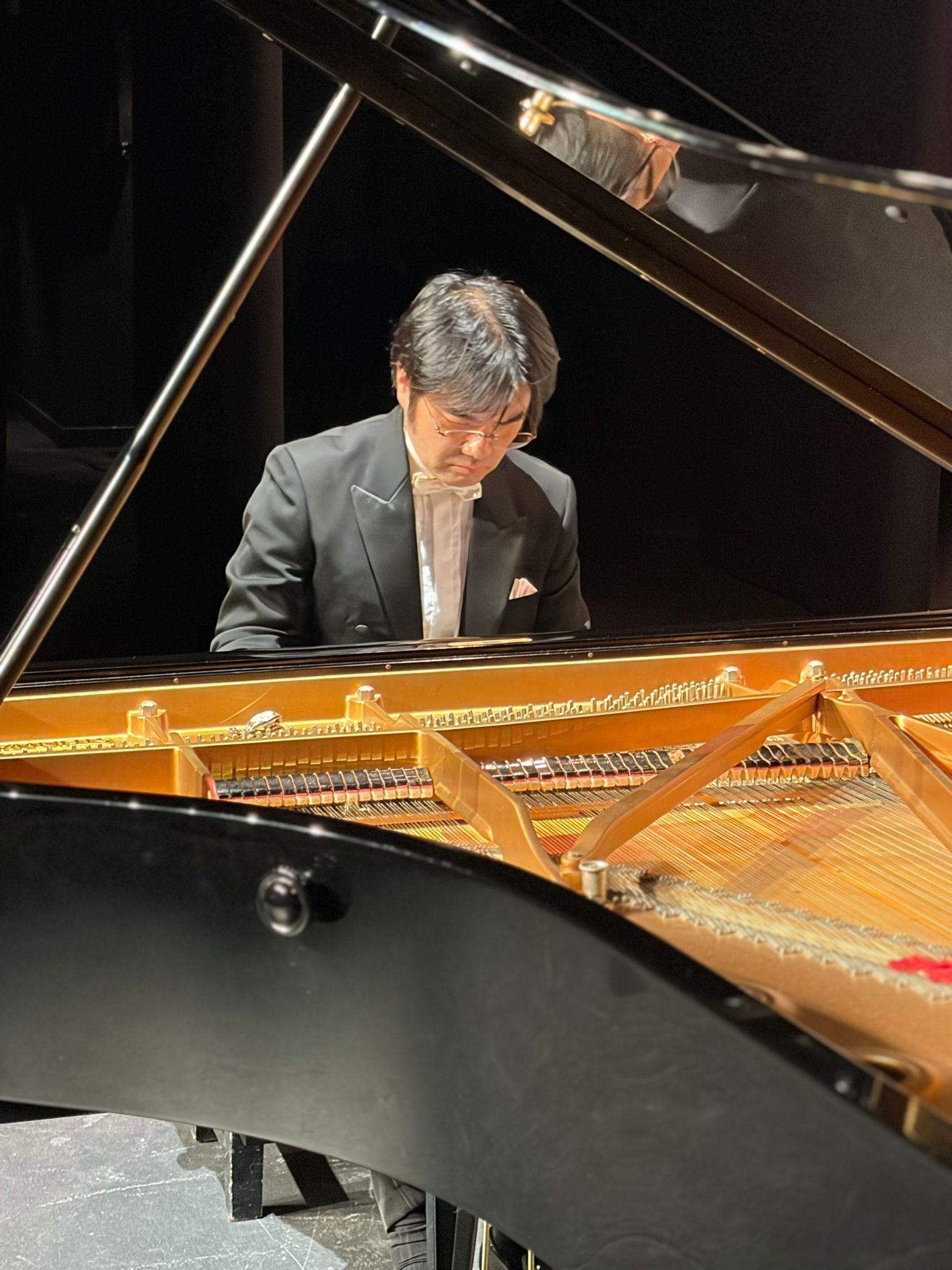
A Message for the Concert
Welcome to this evening's journey
Thank you very much for coming today. The purpose of today's concert is to catch a glimpse of the great composer's growth and the state of mind he reached, by listening to Rachmaninoff's piano pieces in the order of their opus numbers. When listening through his particularly profound works from the early through the late periods, we can see Rachmaninoff's transitions — what changed — while at the same time, his consistency — what remained unchanged — emerges.
The era in which Rachmaninoff lived spanned the collapse of Imperial Russia and two World Wars. According to a famous phrase by the great literary figure Dostoevsky, it was an era of "disbelief and doubt." Amidst this, Rachmaninoff bore the cruel fate of being unable to return to his homeland, despite constantly reminiscing about his happy days in Russia and yearning to go back. Those scars are deeply reflected in his works.
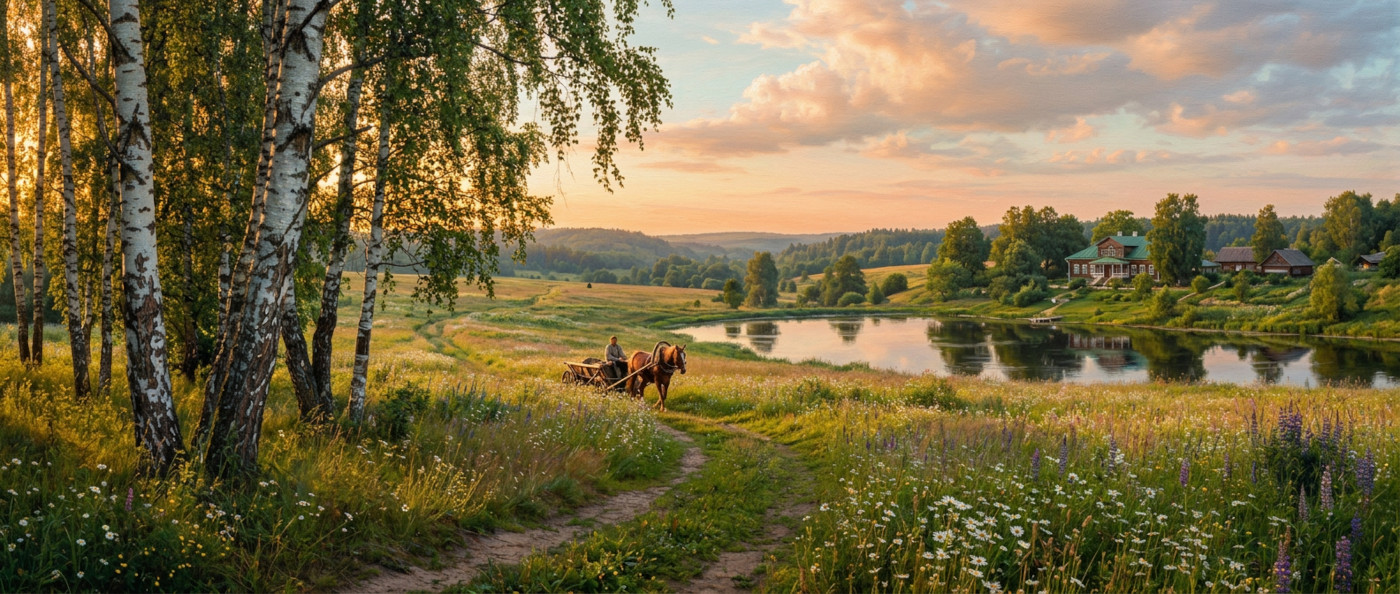
In the summer of 1997, I participated in the Rachmaninoff International Summer School held in Tambov and visited Rachmaninoff's summer estate. There were many white birches, flowers, a lake, birds, and an oxcart moving across an open field — a peaceful scene just like the previous century. I received many passionate lessons on Russian pianism, became strongly drawn to Rachmaninoff's music and way of life, and have been single-mindedly researching Rachmaninoff from that time until today.
What is music, you ask?!
It is a quiet moonlit night,
It is the rustling of leaves,
It is the distant chime of an evening bell,
It is that which is born from the heart and reaches the heart,
It is, Love!
The sister of Music is Poetry,
And her mother is — Sorrow.
— Sergei Rachmaninoff
Concert Program
Early through Late Period Works
✦ Part One ✦
Student Work · No Opus Number
A student study piece from his conservatory days, written in response to a canon composition assignment in the polyphony class at the Moscow Conservatory. The middle section develops into a canon at the octave — the most difficult interval in canon composition. The natural and crystal-clear melody plays the melancholy of the 18-year-old Rachmaninoff. In this piece from his youngest days, we can see elegant tears hiding a sorrow that connects even to his later years.
Morceaux de Fantaisie · Op. 3, No. 3
The third piece from the Fantasy Pieces — a gentle and warm work that seems to represent catharsis (spiritual purification) after tears. Although the composer himself wrote a revised version later, the first edition is preferred here for its innocence born of simple writing style and its purity.
Morceaux de Salon · Op. 10, No. 6
The sixth piece from the Salon Pieces, originally composed for string quartet. The VI7 chord that sounds at the climax, rising from an opening that seems to try to speak but cannot, pierces the heart. This can truly be called a cry of the soul. This motif appears three times throughout the piece, amplified with each repetition.
Op. 16
A masterpiece that decorates Rachmaninoff's early period. A grand work featuring beautiful melodies and passion, as well as the vast Russian landscape and solemnity. The main philosophy running through this work could be summed up in one word: the "transformation" of the theme. Up to the fourth piece it is in minor keys; it turns to major in the fifth, and at the climax of the sixth, the theme expands into a canon and is celebrated in exultation.
✦ Part Two ✦
10 Preludes · Op. 23, No. 6
It is said this piece came to Rachmaninoff on the morning his eldest daughter, Irina, was born. The first sunlight, the first breeze, the first embrace. A motif that feels like caressing a baby, gentle and soft touches, and a smile gazing at the infant are conveyed. People shed tears when they are born, when they die, at the pinnacle of joy, and at the depths of despair.
13 Preludes · Op. 32, No. 5
This piece reveals the whereabouts of a transparent heart through a refined writing style, like a bird flying freely on a gentle breeze. Such a work seems to represent an immortal transcendence — winning without fighting. No matter how full of impurity this world may be, heaven is always clear. Just as above the clouds, it is always sunny.
Études-Tableaux · Op. 33, No. 7
Also known as "Fair Scene" based on a hint the composer gave to Respighi. Spiritual cheers resound in the frequently appearing "three-stroke" rhythms and the "church bells" echoing at the climax. Tears reflect light. Here, everything is shining.
Études-Tableaux · Op. 39, No. 5
The last work Rachmaninoff wrote in Russia. Its characteristic is the majestic singing of a long-breathed melody that asserts, "Rachmaninoff's style is back!" When this theme is reprised in the tenor, the chords in the treble register weep bitterly. The piece closes as if in prayer.
Op. 42
One of the representative works of his late period, and the last solo piano piece to which Rachmaninoff assigned an opus number. If one were to describe this work in a single phrase: the martyrdom of a hero. All exaggeration is stripped away, and there is a solemnity as if only Rachmaninoff's core is laid bare without a single thread — a "great heart," that is to say, Pathetique.
On Music & the Soul
Love born from Sorrow
Rachmaninoff says that the mother of music is "sorrow." Why is that? When surveying all of his works, what first jumps out is the growth of his compositional technique and the drastic upheaval of the historical background. Yet deep within this drastic upheaval that seems almost discontinuous, there is actually a single core that remained unchanged even when sifted.
Rachmaninoff's music has the power to resonate in people's hearts, speak to them, and show them the direction they should take. This is largely due to his way of life, in which he fixed his gaze on eternally unchanging values amidst the irresistible torrent of the times and strove to embody them.
Saint Isaac the Syrian teaches: "Inquire into yourself. Then the enemy will be driven away from you. Be at peace with yourself. Then heaven and earth will be at peace with you." Since Rachmaninoff flatly declared that "authentic inspiration must come from within," he experientially knew this hidden treasury.
Rachmaninoff's "sorrow" is undoubtedly a "state" of mind necessary for creation. His tears do not invite despair — rather, they bring healing and courage, serving as a catalyst to receive energy. It is precisely because Rachmaninoff practiced maximum virtue within his given destiny that he became companions with sorrow, and it is precisely because he endured that sorrow that his heart was humbled, and upon it grace — living music — descended.
In Closing
For Rachmaninoff, music is "love born from sorrow." This love is precisely the single core that consistently remained unchanged in his works across all periods and upheavals. Deepening his awareness of human weakness year by year, Rachmaninoff continued straightforwardly seeking the righteousness of love.
That is exactly why music overflowing with such wide and deep love was born from his sorrowful heart.
Rachmaninoff's music — it is the prayer of a single artist who walked in search of love, and it is none other than the trajectory of tears that brought about that prayer.